 Mogilev
The dissident with Mogilev roots who gave the world the word «glasnost»
A mathematician, a poet and one of the founders of the Soviet human rights movement. His mother was born in Mogilev, his grandmother in Cherikov, and he ended his days in Boston.
Anyone seriously interested in the history of Soviet dissent knows the name of Alexander Esenin-Volpin. He was a mathematician, poet and philosopher, and the first person to use in public, as a political demand, the word that Mikhail Gorbachev would raise as a banner twenty years later: glasnost. Few people know that his mother's family came from Mogilev and Cherikov.
A Mogilev family
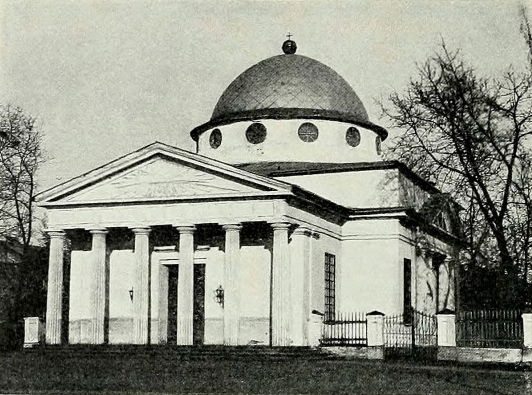
Photo: Unknown author, Public domain, via Wikimedia Commons
His mother, the poet and translator Nadezhda Volpin, was born in Mogilev on 6 February 1900. The Volpin family belonged to the educated circles of the provincial capital:
- his grandfather, David Volpin, was a native of Mogilev, a Moscow University graduate and a lawyer who translated James Frazer's «Folklore in the Old Testament» into Russian;
- his grandmother, Anna Zhislina, was born in Cherikov, studied at the Warsaw Conservatory and taught music;
- his mother, Nadezhda Volpin, was an Imagist poet, the companion of the poet Sergei Esenin, and a translator of Ovid, Goethe, Conan Doyle, Wells and Galsworthy;
- his uncle, Mikhail Volpin, also born in Mogilev, became a well-known playwright and screenwriter.
Alexander was born in Leningrad on 12 May 1924, the son of Nadezhda Volpin and Sergei Esenin. He hardly knew his father, who died at the end of 1925. He grew up in his mother's family, among books, languages, translations and music.
A mathematician among psychiatrists
He graduated from the Faculty of Mechanics and Mathematics of Moscow State University in 1946 and became a specialist in mathematical logic and topology; a theorem in the theory of dyadic spaces bears his name.
In 1949 he was arrested for «anti-Soviet poems», confined to a special psychiatric hospital and exiled to Karaganda. He was amnestied after Stalin's death, but was confined again in 1959, after his poems and his «Free Philosophical Treatise» reached the West. In 1961 they were published in New York as «A Leaf of Spring». In 1968 he was hospitalised once more, and ninety-nine leading Soviet mathematicians signed a letter in his defence. In total he spent about six years in prisons, exile and psychiatric hospitals.
The meeting where it all began
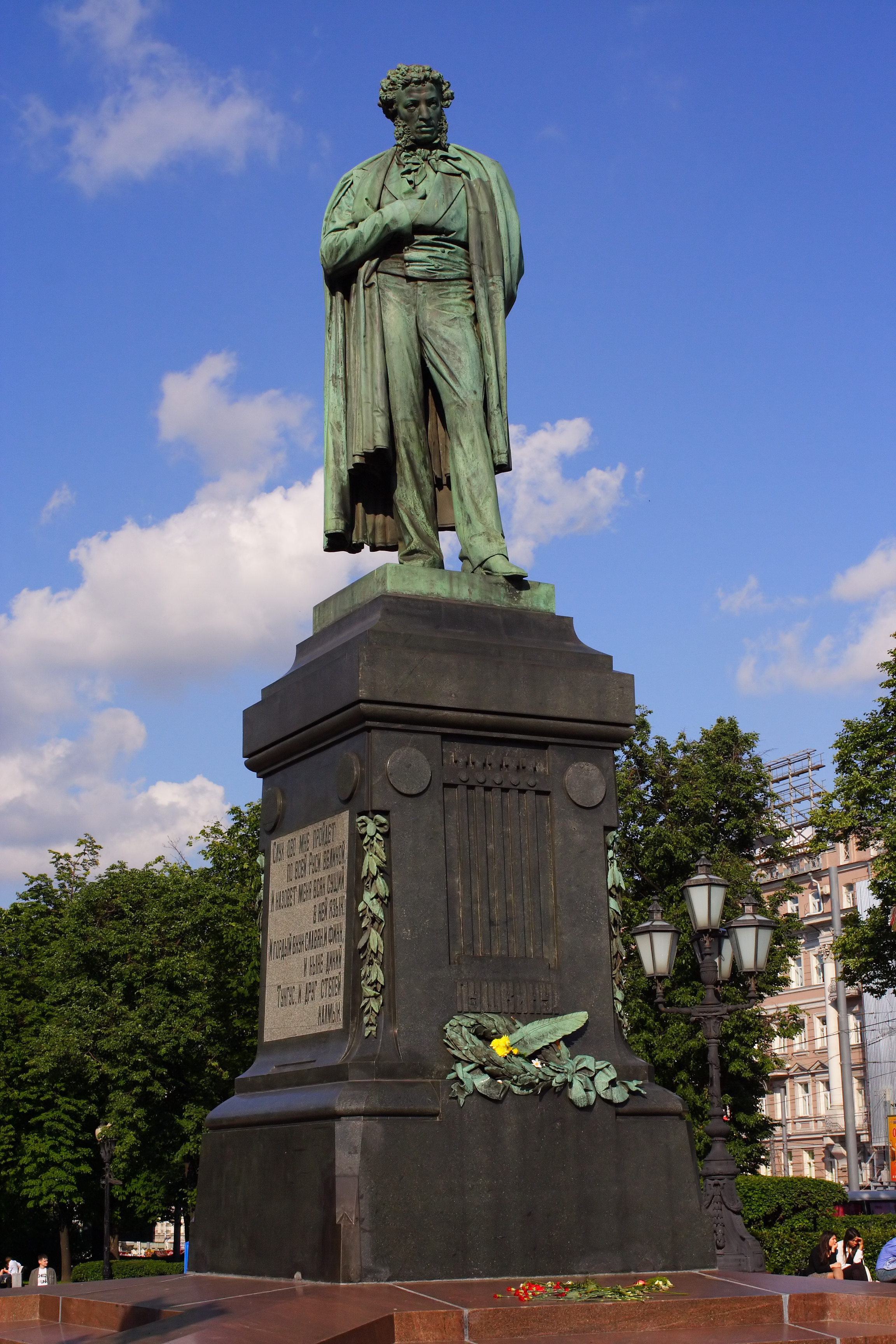
Photo: Anastasiya Lvova, Public domain, via Wikimedia Commons
On 5 December 1965, Soviet Constitution Day, about two hundred people gathered on Pushkin Square in Moscow. It was the first public protest in the post-war Soviet Union, and Esenin-Volpin organised it. His «Civic Appeal» was handed out as a leaflet, and the placards demanded glasnost, openness, in the trial of the writers Andrei Sinyavsky and Yuli Daniel. Other placards read: «Respect the Soviet Constitution».
His central idea sounds simple today and was revolutionary then: do not try to overthrow the Soviet state, but demand that it obey its own laws. Read the constitution literally and insist that it be applied. It is tempting to see in this the legacy of his grandfather, the Mogilev lawyer.
The dissident Vladimir Bukovsky later called Esenin-Volpin the teacher of Andrei Sakharov in human rights work.
From Mogilev to Boston
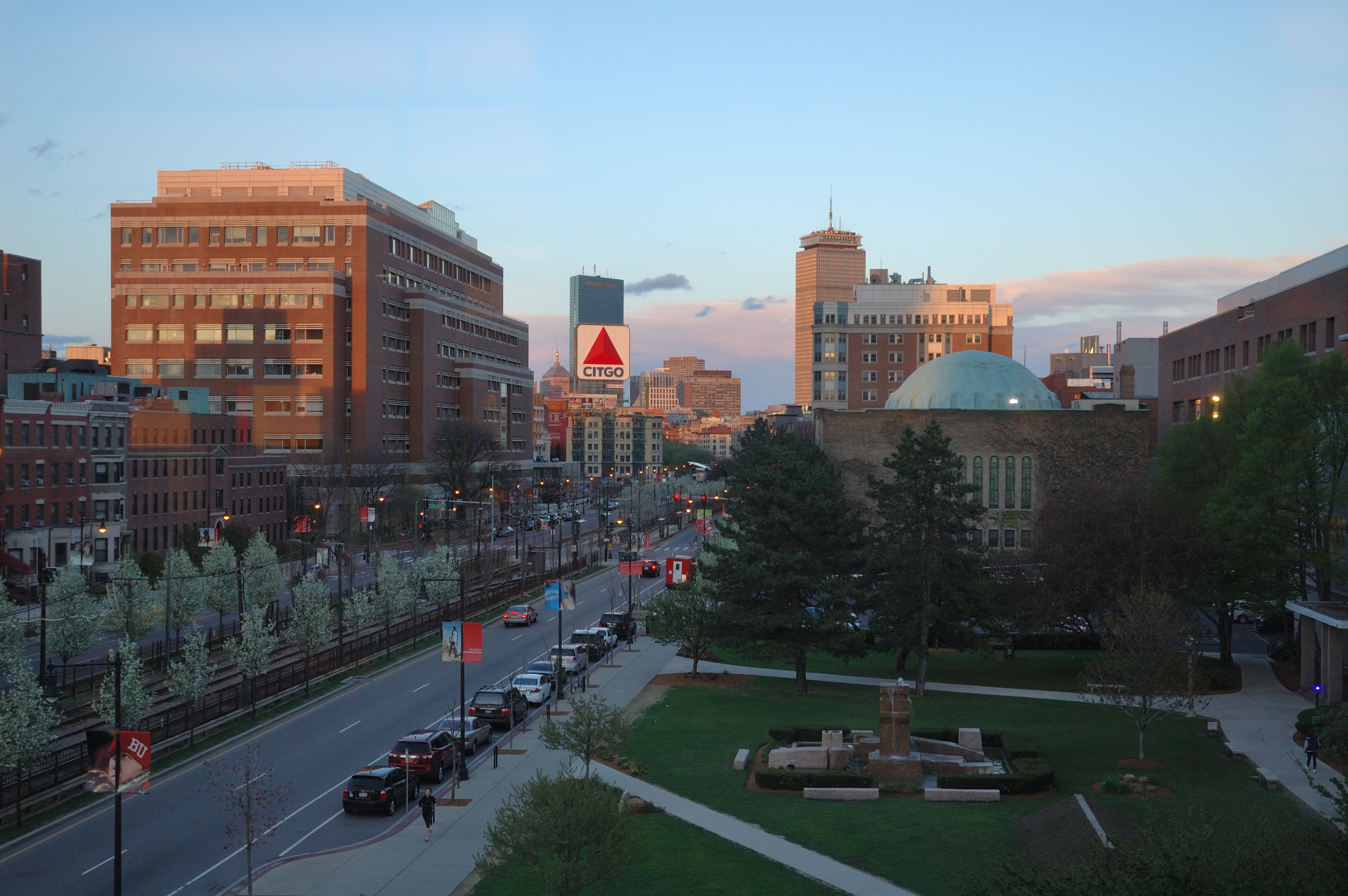
Photo: 4300streetcar, CC BY 4.0, via Wikimedia Commons
In 1972, under pressure from the authorities, Esenin-Volpin emigrated to the United States. He taught mathematical logic at the University at Buffalo and then at Boston University. He died in Boston on 16 March 2016, at the age of 91.
His grandfather walked the streets of Mogilev; his grandmother grew up in Cherikov. Their grandson, confined in a Moscow psychiatric hospital, helped bring into politics a word that would change a whole country.
This story is based on an article first published in Russian by Mogilev.media, with additional sources.