 Mogilev
 Every family has a place in its history
Stories of people whose families came from the Mogilev region. For descendants of emigrants and everyone looking for their roots.
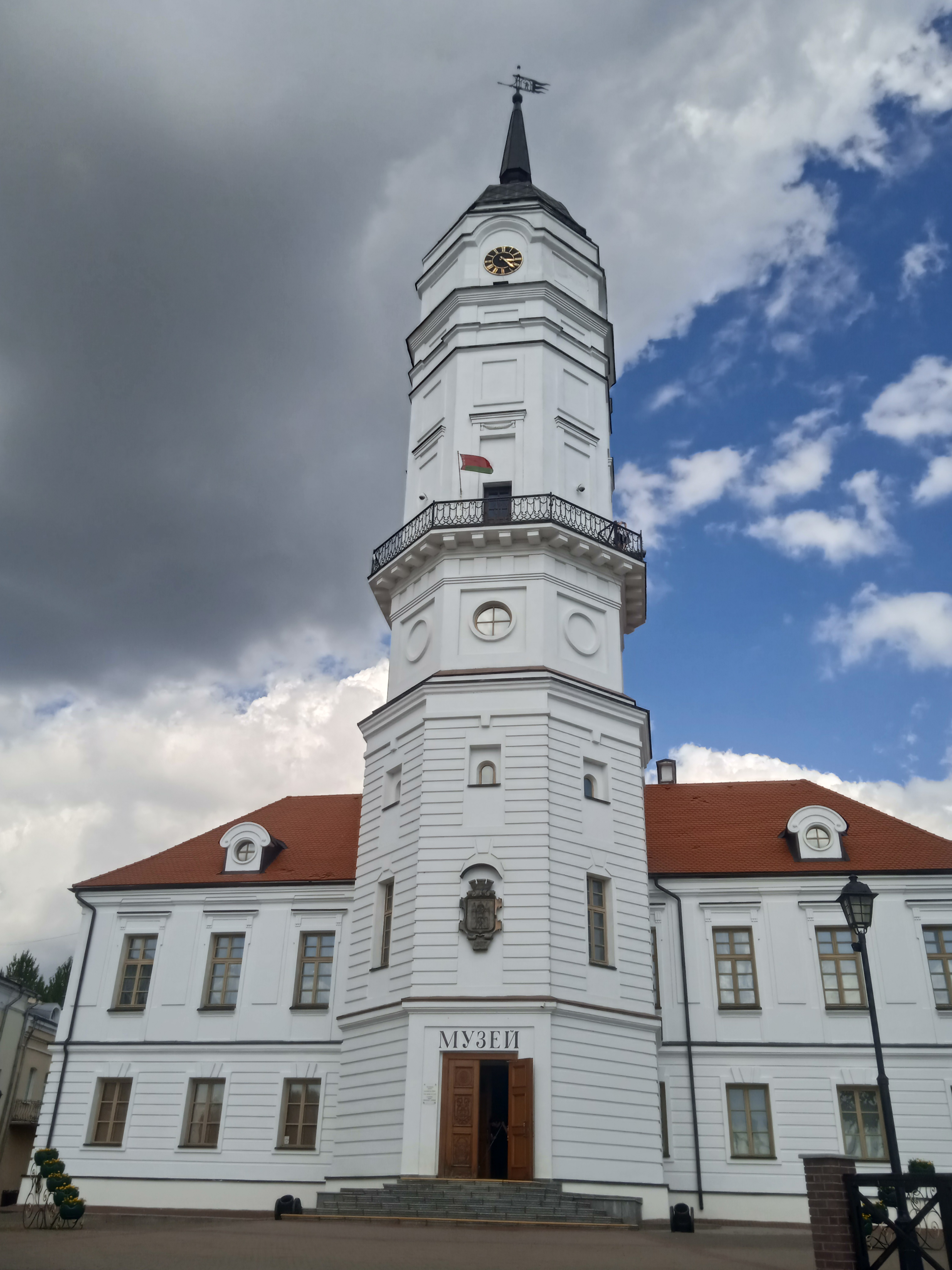
Mogilev roots run far wider than most maps suggest. Between the 1880s and the First World War, hundreds of thousands of people left the Mogilev Governorate, a province of the Russian Empire that lies mostly in today's eastern Belarus. They settled in New York and Chicago, in Buenos Aires and the Argentine colonies, in Palestine, Germany and South Africa. Their grandchildren often know only one word: Mogilev.
This site collects their stories and helps you find the place behind that word.
Stories
Each story follows a person born in the Mogilev region whose life took shape far from home. They are based on research published by the independent regional outlet Mogilev.media, retold in English with additional sources.
Our first story: a conductor who brought new Russian music to Carnegie Hall, a rabbi who led one of New York's great congregations, and a revolutionary who became president of the Senate of Hawaii. All three were born in the same city.
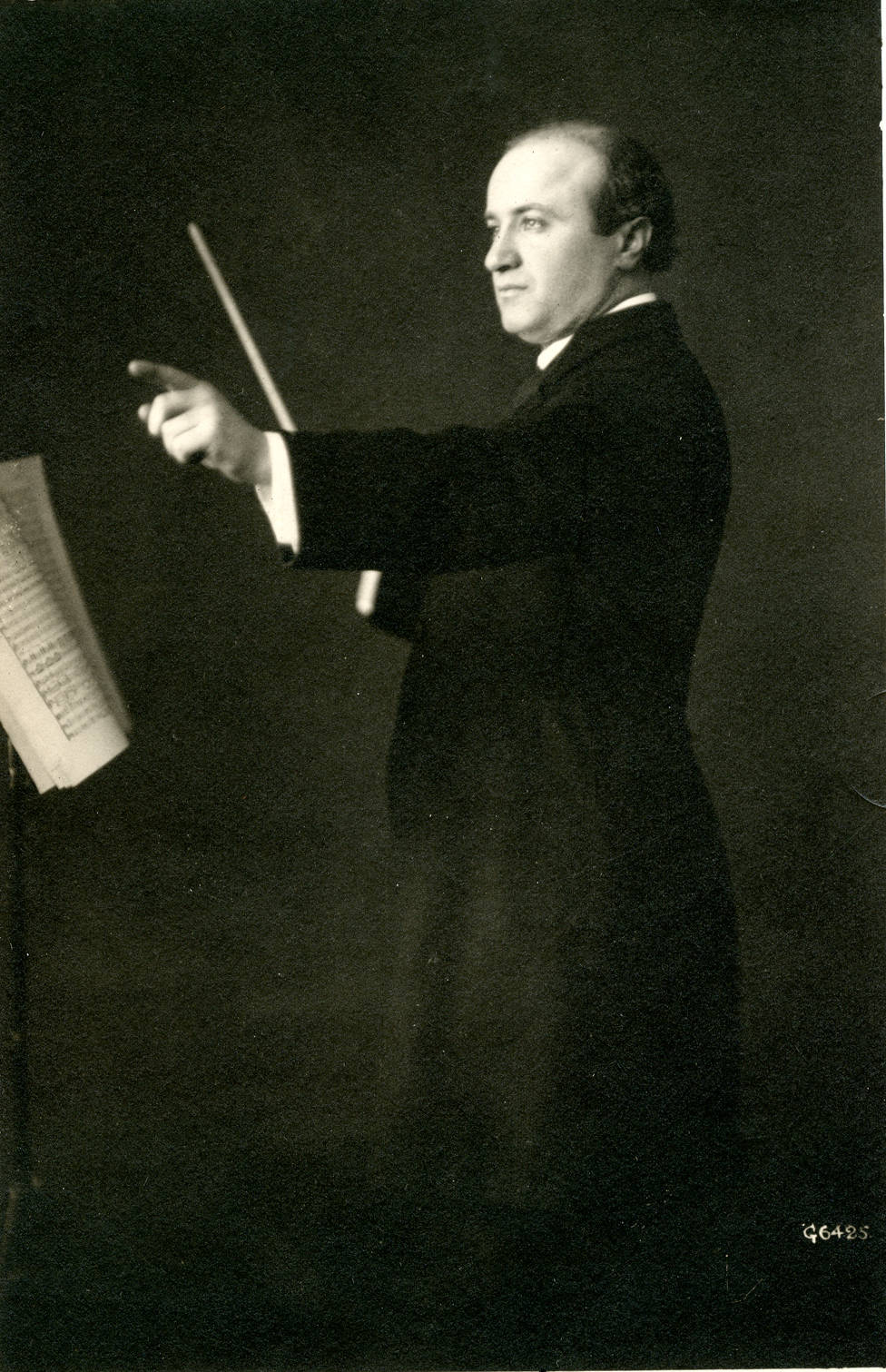 Modest Altschuler
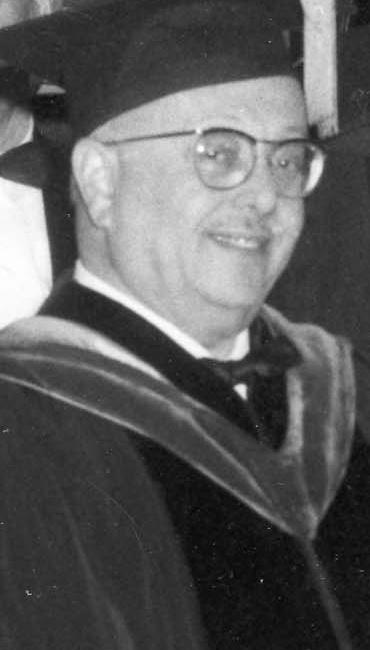 Joseph Lookstein
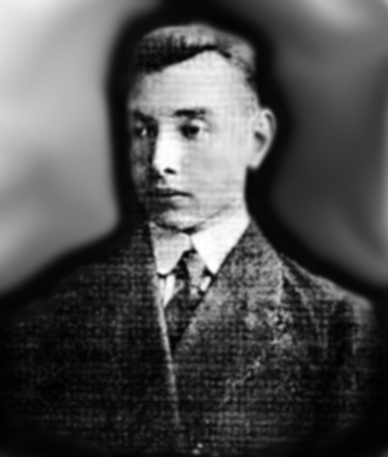 Nicholas Russel
Three Lives from Mogilev: From New York to Hawaii
A conductor, a rabbi and a revolutionary. All three were born in Mogilev, and all three found the full scale of their lives only after they left.
Read the storySearches
Help find the family of Inessa Kashinskaya: Mogilev, 1947
In the autumn of 1947 a newborn girl was left at the Mogilev Children's Home. Almost eighty years later, her son is looking for her birth family.
Read the searchWhere your ancestors came from
Old documents say «Mogilev» but may mean the city, the district or the whole province. Our guide explains the eleven districts of the Mogilev Governorate, what they are called today and in which country and region each one lies now.
Why this site exists
The Mogilev region today is cut off from much of the world, and many of its people have left again, as their great-grandparents once did. Remembering who came from here, and what they achieved elsewhere, is a way of keeping that region connected to its scattered families.