 Mogilev
 Three Lives from Mogilev: From New York to Hawaii
A conductor, a rabbi and a revolutionary. All three were born in Mogilev, and all three found the full scale of their lives only after they left.
Few people in New York or Honolulu know that some of their city's notable figures were born in Mogilev. In the late nineteenth and early twentieth centuries, the provincial capital on the Dnieper was a starting point for people looking for opportunity, freedom or simply a chance at a new life. Three of them left a mark on three very different worlds.
Modest Altschuler: the orchestra that crossed the ocean
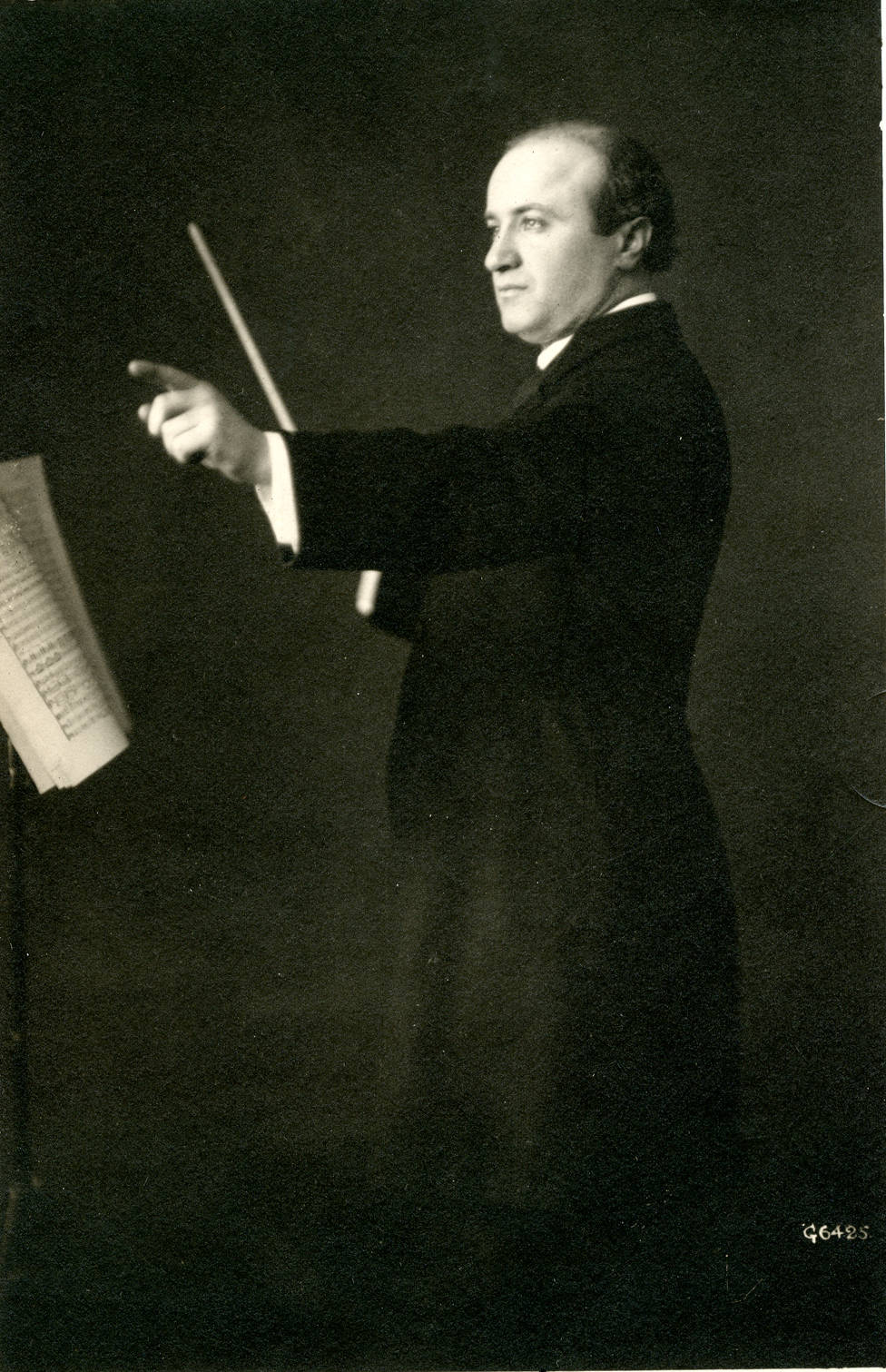
Source: Wikimedia Commons, public domain
Modest Altschuler was born in Mogilev in 1873 into a Jewish family. A gifted cellist, he understood early that a musical career needed larger cities, bigger stages and wider audiences. He studied in Warsaw and Moscow and in 1893 emigrated to the United States.
In New York he founded the Russian Symphony Society and its orchestra, which for years served as America's main window onto music from Eastern Europe. Altschuler conducted at Carnegie Hall and gave American audiences their first hearing of works that later became classics, including Scriabin's orchestral poems.
He also helped launch Sergei Prokofiev in the United States: the composer's first concerts with an orchestra in America, in the winter of 1918, were given with Altschuler's Russian Symphony Orchestra. Altschuler never cut his ties to the tradition he had brought with him, and his career shows how one emigrant could change the musical map of two continents.
Joseph Lookstein: from Mogilev to the heart of American Jewish life
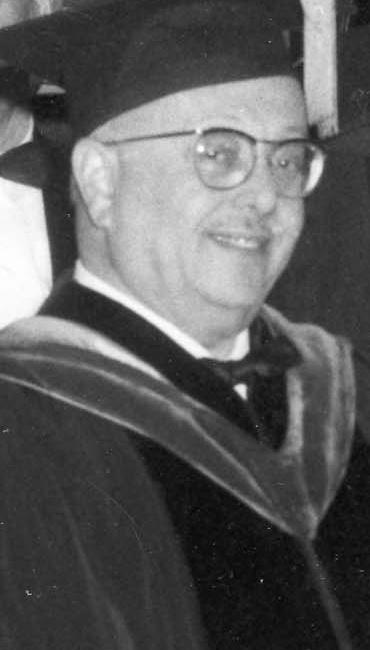
Photo: Bar-Ilan University, CC BY-SA 2.0, via Wikimedia Commons Cropped from the group photograph.
Joseph Lookstein was born in Mogilev in 1902. His family emigrated to the United States when he was a small child, part of the great wave of Jewish families who crossed the Atlantic in search of safety and a future.
Educated in New York, he became the rabbi of Congregation Kehilath Jeshurun on the Upper East Side, one of the city's leading Orthodox congregations, and in 1937 founded the Ramaz School there. He became one of the central figures of modern Orthodox Judaism in America.
His influence reached beyond the United States. Lookstein served as president and later chancellor of Bar-Ilan University in Israel. A man born in Mogilev helped shape religious and intellectual life in two countries at once.
Nicholas Russel: the revolutionary who led the Senate of Hawaii
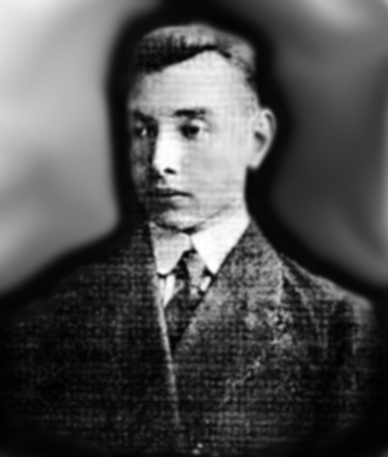
Source: Wikimedia Commons, public domain
If the first two lives followed a steady path, the third reads like an adventure novel. Nikolai Sudzilovsky was born in Mogilev in 1850. As a young man he joined the revolutionary movement and had to flee the Russian Empire.
He trained as a physician and lived in several European countries before moving to the United States and, in the 1890s, to Hawaii, where he was known as Dr. Nicholas Russel. There his life took an unexpected turn: elected to the first Senate of the Territory of Hawaii in 1901, he became its president.
In Honolulu he spoke for the rights of Native Hawaiians and remained a radical all his life, combining medicine, politics and ideas. Born in a provincial city of the Russian Empire, he ended up in the political history of the Pacific.
Mogilev as a starting point
The three lives differ in scale, field and circumstance, but share one pattern. Mogilev at the turn of the century could not offer what New York, Europe or even Hawaii offered, and for ambitious people, leaving was often the only way forward.
None of them returned. Yet that does not make them any less a part of Mogilev's story. It shows how far a single city's history can reach.
This story is based on an article first published in Russian by Mogilev.media in its series on Mogilev emigrants, with additional sources on each person.